- About
- Services
- Play
- Sport
- Case Studies
- News
- Contact
- Pitchbuilder

Modern sports facilities provide far more than a place to play. Schools, councils, and local organisations increasingly rely on these spaces to support health, inclusion, youth engagement, and long-term community wellbeing. Sports facilities support community infrastructure when they are designed for regular use, accessibility, and long-term participation.
Facilities such as 3G pitches, MUGAs, playgrounds, and artificial turf sports areas now play an important role in creating healthier and more connected communities. Their value extends beyond sport itself and into education, wellbeing, regeneration, and social development.
Contact STM to discuss sports facilities designed around long-term community impact.
Access to quality sports facilities helps communities stay active throughout the year. Reliable surfaces allow schools, clubs, and local groups to continue activities regardless of weather conditions, which increases participation and consistency.
Sports facility access encourages regular physical activity across all age groups.
Modern facilities support:
Grassroots sports programmes
School PE lessons
Recreational exercise
Structured coaching sessions
Community wellbeing initiatives
Regular participation in physical activity also supports mental wellbeing by encouraging social interaction, routine, and community engagement.
Facilities that are safe, accessible, and well-maintained create environments where people feel comfortable participating in sport and recreation.
Inclusion is now a major consideration in sports facility design. Communities require spaces that are accessible to different age groups, abilities, and backgrounds.
Accessible sports facilities increase participation opportunities for underrepresented groups.
Modern developments often include:
Accessible entrances and pathways
Non-slip surfaces
Inclusive programming opportunities
Safe spectator areas
Multi-use environments for varied activities
Facilities designed with inclusion in mind help support:
Women and girls’ sport
Older adults
Disabled users
Community outreach programmes
Youth engagement initiatives
This approach ensures sports spaces are usable by more people throughout the community.
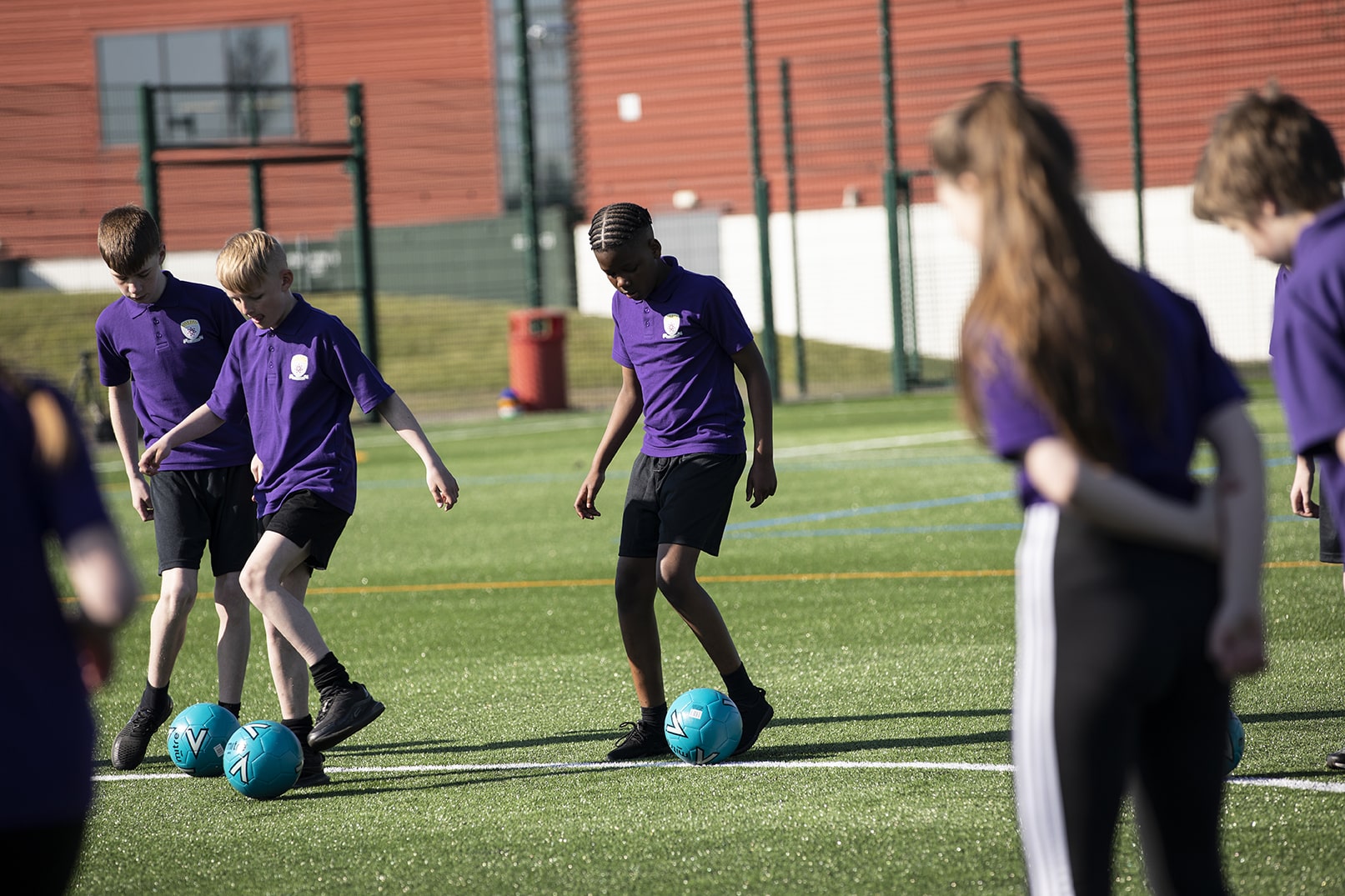
Sports facilities play an important role in providing safe, structured environments for young people. Access to organised sport and recreational spaces creates opportunities for social connection, teamwork, and personal development.
Youth participation supports stronger community engagement and social connection.
Regular activity programmes can help:
Reduce antisocial behaviour
Encourage routine and structure
Promote positive mentorship
Improve confidence and wellbeing
Strengthen local community identity
Facilities that remain active throughout the week also create visible community presence, helping spaces feel safer and more welcoming.
For schools, sports facilities are no longer viewed only as PE spaces. They are now part of wider wellbeing and educational strategies.
School sports facilities support physical activity, learning, and community use.
Modern outdoor facilities help schools:
Deliver PE lessons consistently
Support extracurricular sport
Encourage movement throughout the day
Host inter-school competitions
Increase community engagement outside school hours
Many schools also open facilities to local clubs and groups, allowing sports spaces to benefit the wider community beyond the school day.
Investment in sports infrastructure often has a wider impact on the local area. Upgraded facilities improve appearance, increase usage, and create visible signs of community investment.
Sports facility redevelopment contributes to local regeneration and community pride.
Modern facilities can:
Increase local participation in sport
Attract community events and tournaments
Support local clubs and grassroots teams
Encourage volunteer opportunities
Create gathering spaces beyond sport
Well-used community sports spaces help strengthen local identity and encourage long-term engagement.
Sports facilities also contribute economic and operational value to communities.
Facility investment supports local employment and long-term service provision.
This may include:
Coaching opportunities
Maintenance and facility management roles
Local supplier partnerships
Increased visitor activity
Extended facility usage hours
The long-term value of a sports facility is not only measured by the surface installed, but by how consistently the space supports community activity over time.
Modern sports developments increasingly consider environmental sustainability as part of long-term planning.
Sustainable sports construction reduces environmental impact while extending facility lifespan.
Key considerations include:
Durable surface systems
Responsible material management
Recycling and waste reduction
Efficient drainage systems
Long-term maintenance planning
Facilities designed for durability and regular upkeep remain usable for longer and provide better long-term value for operators and communities.
Modern sports facilities are no longer just pitches. They are community infrastructure that supports health, inclusion, education, wellbeing, and social connection.
Projects such as 3G pitches, MUGAs, and community sports developments create spaces where people can participate, connect, and engage throughout the year. Sports infrastructure creates lasting community value when designed around long-term use and accessibility.
STM works with schools, councils, clubs, and community organisations to deliver sports facilities designed for long-term performance and wider community impact.
Speak to STM today to discuss sports facility developments built around long-term community value.