- About
- Services
- Play
- Sport
- Case Studies
- News
- Contact
- Pitchbuilder

Playground surfaces are a critical part of a school’s safety infrastructure. They support daily play, PE lessons, and outdoor learning while helping to reduce the risk of injury from slips, trips, and falls. Over time, however, playground surfacing deteriorates due to constant use, weather exposure, and natural material ageing. When this happens, safety performance, accessibility, and compliance can be affected.
Playground resurfacing restores surface performance, extends the life of the existing base, and helps schools maintain a safe, inclusive outdoor environment. Acting early can prevent more extensive damage and higher costs later.
Contact STM today to arrange a playground surface inspection and expert advice.
School playground surface absorbs impact from falls. In school environments, surfaces are used intensively throughout the year. As they age, they can harden, crack, or lift at joints and edges.
These defects increase the likelihood of:
Resurfacing restores impact attenuation and surface integrity, helping to reduce risk and provide a safer play environment for pupils of all ages.
Schools have a legal duty of care to provide safe premises for pupils, staff, and visitors. Playground surfacing should meet relevant safety guidance, including BS EN 1176 and BS EN 1177, which relate to playground equipment and impact-absorbing surfaces.
When surfacing becomes worn or damaged, it may no longer perform as intended. Resurfacing helps schools:
Surface damage increases repair costs over time. Small cracks and worn areas allow water to enter the surface layers. This leads to base failure and larger repair needs. Resurfacing addresses problems early and protects the existing structure. For schools managing tight budgets, resurfacing is often more cost-effective than full replacement.
Playground surface affects accessibility. Schools must support inclusive play for pupils with additional needs. Uneven or degraded surfaces can restrict access for wheelchairs, walking aids, and pushchairs. Resurfacing creates a smooth, level surface that supports inclusive movement and equal participation in outdoor activities.
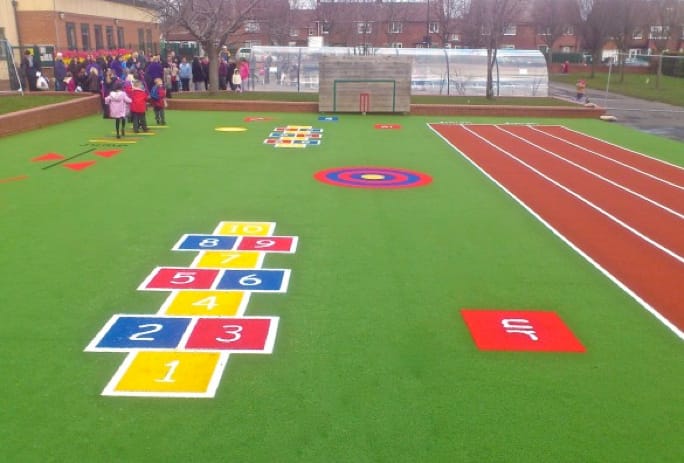
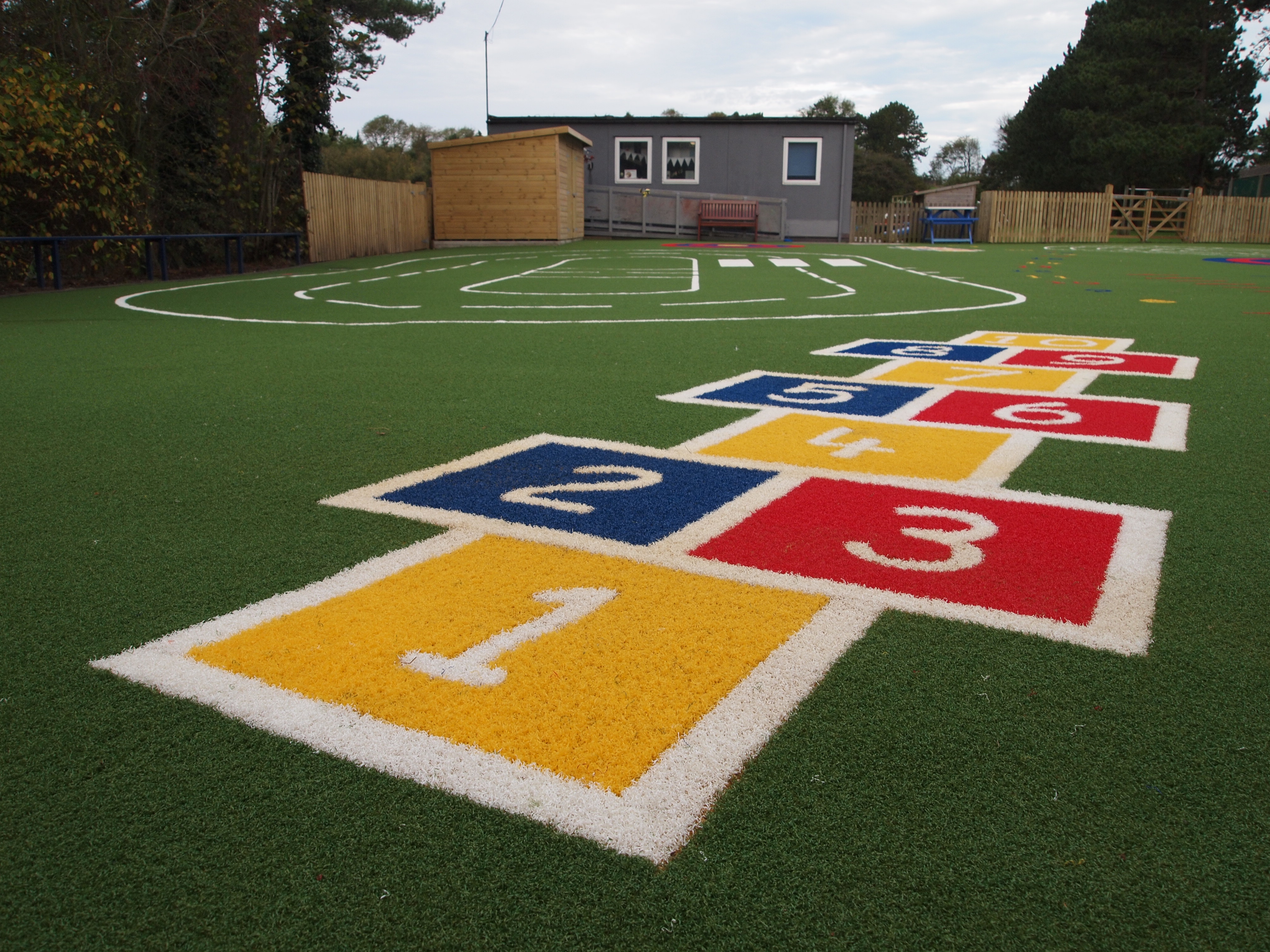
Playground appearance influences pupil engagement. Clean, well-defined surfaces support outdoor learning, structured play, and PE activities. Fresh surfacing can include colour zones, markings, and layouts that help organise space and encourage active use. A well-maintained playground reflects positively on the school.
Playground resurfacing supports safety, compliance, accessibility, and appearance. A well-maintained surface reduces risk, improves user experience, and protects your investment. Playground maintenance – extends – surface lifespan when done at the right time. If your surface shows signs of wear, resurfacing is a practical and responsible step forward.
Get in touch with STM to discuss resurfacing options and plan your next steps.