- About
- Services
- Play
- Sport
- Case Studies
- News
- Contact
- Pitchbuilder

Children’s play areas need surfaces that are safe, durable, and easy to maintain. Schools, nurseries, parks, and residential play spaces all experience high levels of daily use. The surface chosen for these areas affects safety, comfort, appearance, and long-term maintenance. Playground surface choice influences safety and usability for children. Among the available options, artificial grass has become one of the most practical and reliable solutions for modern play areas.
Contact STM to discuss artificial grass playground surfaces designed for safe and long-lasting play areas.
Children run, jump, and fall regularly during play. The surface underneath them must reduce injury risk while remaining durable under heavy use. Surfaces that become muddy, uneven, or slippery can quickly create hazards.
Play area surface supports safe play when it provides:
Impact absorption for falls
Good drainage during wet weather
Even ground with no trip hazards
Durability under heavy foot traffic
Artificial grass performs well across all of these requirements, which is why it is widely used in modern playgrounds.
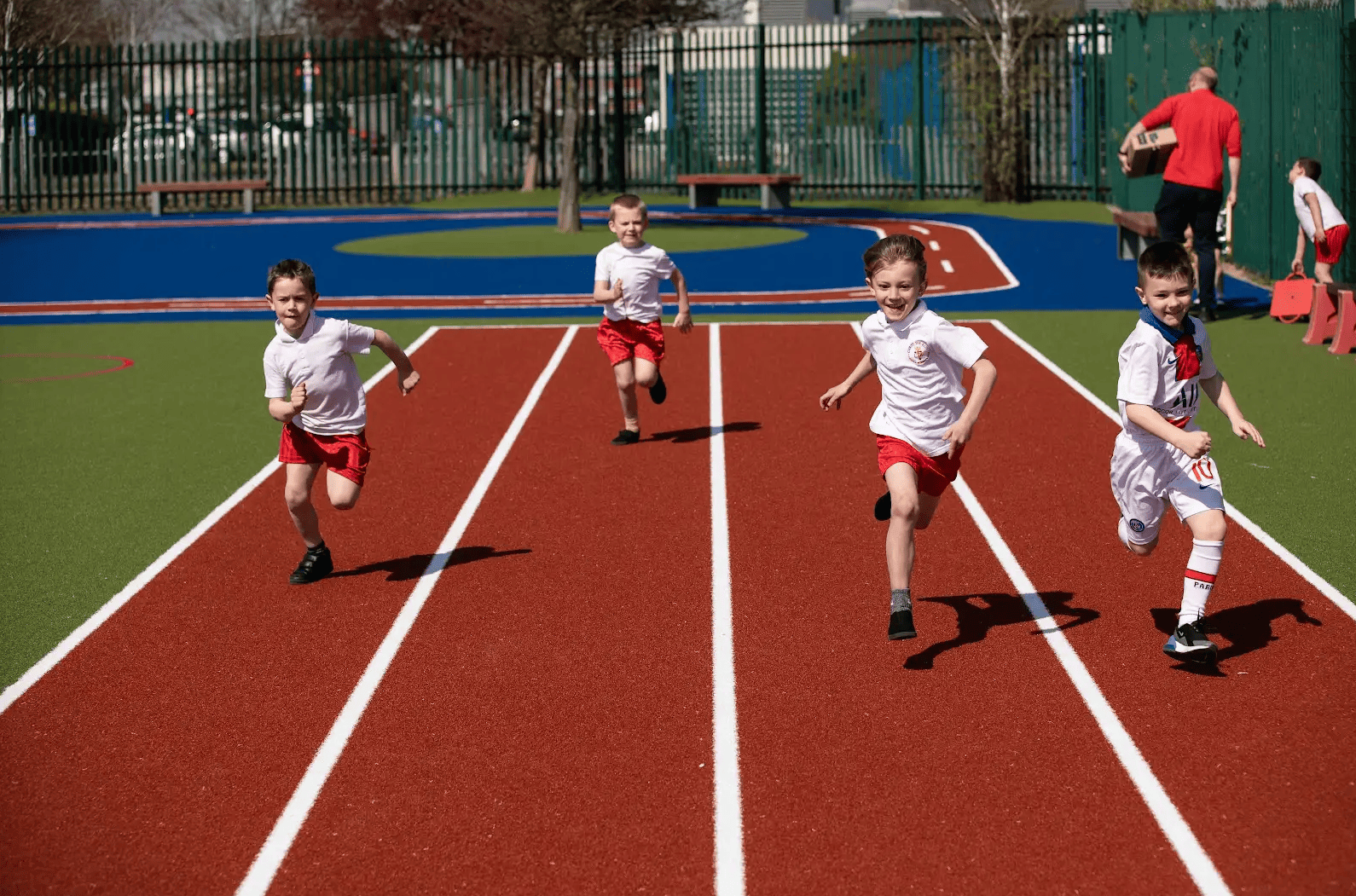
Artificial grass provides a safe and consistent surface for children. Unlike natural grass, it does not become muddy or worn down with heavy use. It remains level, clean, and usable throughout the year.
Artificial grass playground systems are typically installed with shockpad layers underneath to increase impact protection. This helps reduce injury risk during slips and falls.
Key advantages of artificial grass include:
Softer surface compared with hard playground materials
Consistent appearance throughout the year
Excellent drainage in wet weather
Reduced mud and dirt in play areas
Suitable for schools, nurseries, and parks
Artificial grass surface reduces maintenance compared with natural turf.
There are several surface types used in children’s play areas. Each has different benefits and limitations.
|
Surface Type |
Advantages |
Limitations |
|
Artificial Grass |
Soft surface, year-round use, low maintenance, natural appearance |
Requires professional installation |
|
Natural Grass |
Natural look, relatively low installation cost |
Becomes muddy, wears quickly in high-use areas |
|
Wetpour Rubber |
Good impact absorption |
Harder feel underfoot, can fade or crack over time |
|
Tarmac / Concrete |
Durable and low cost |
Very hard surface with little impact protection |
Artificial grass surface combines safety, durability, and visual appeal better than many alternatives.
Artificial grass is suitable for a wide range of children’s play environments.
Common applications include:
School playgrounds
Nursery outdoor learning areas
Community play parks
Residential garden play spaces
Multi-use recreation areas
Because artificial grass stays clean and usable in wet weather, it allows children to play outdoors more consistently throughout the year.
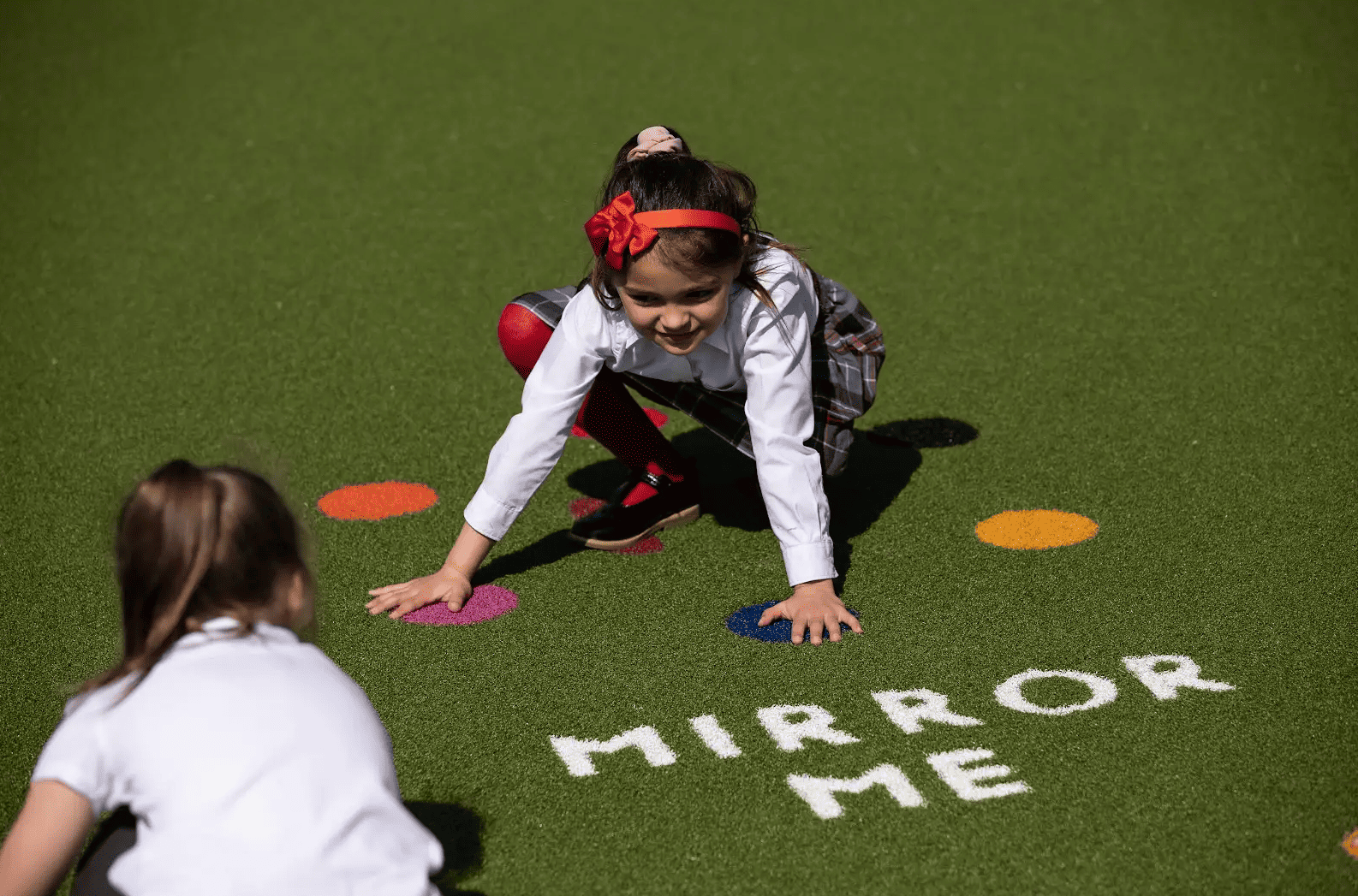
Playground maintenance extends surface lifespan. Artificial grass requires less upkeep than many traditional surfaces. Routine brushing and occasional cleaning help maintain fibre structure and drainage performance.
Compared with natural grass, artificial turf eliminates mowing, watering, and reseeding. This reduces ongoing maintenance demands for schools and facility managers.
Artificial grass systems are designed to withstand heavy use, which makes them suitable for high-traffic play areas.
Choosing the right surface for a children’s play area is important for safety, durability, and usability. Artificial grass provides a soft, attractive, and practical surface that works well in schools, parks, and residential play spaces. Playground surfacing supports safe play when it is durable, well-installed, and properly maintained.
Speak to STM today to explore artificial grass solutions for safe and long-lasting children’s play areas.